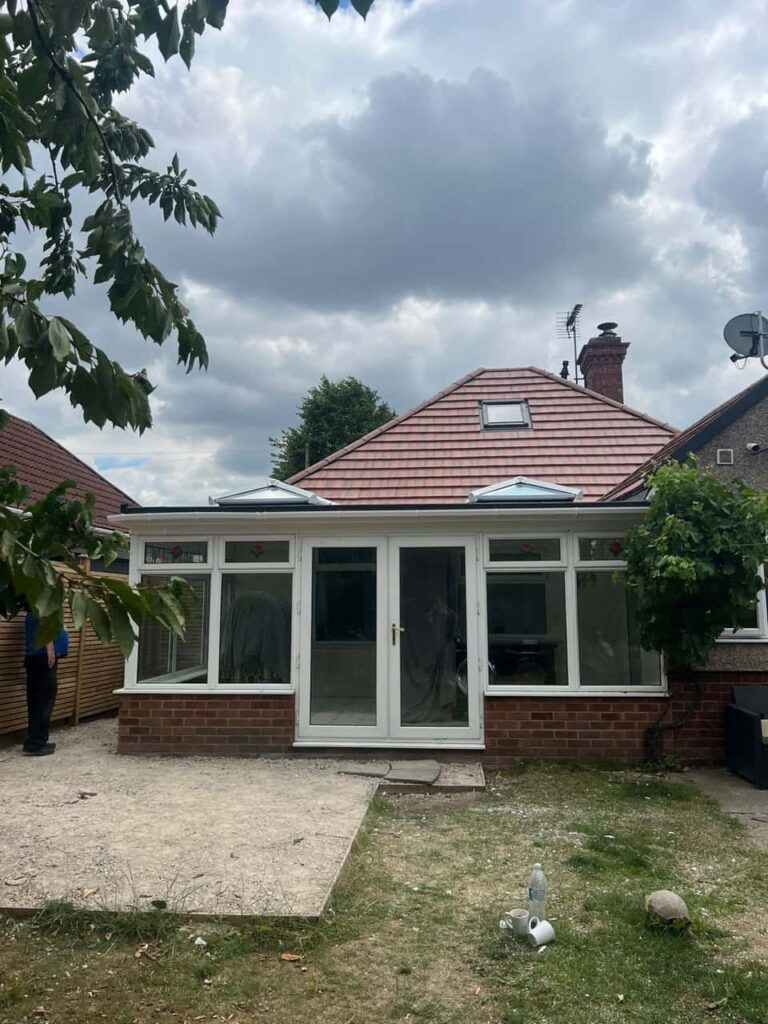
Roof tiles form the main weather-resistant covering of a pitched roof. When they become cracked, loose or heavily weathered, rain may reach the underlay, battens and other materials beneath them. Identifying deterioration early can help prevent a relatively small defect from developing into widespread water damage.
For property owners in Melksham, Wiltshire, it is important to recognise when individual tiles may require replacement and when the condition of the wider roof should be assessed. Some warning signs are visible from ground level, while others only become apparent during a professional inspection.
Common Signs That Roof Tiles May Need Replacing
A damaged tile does not always fall from the roof or create an immediate leak. Gradual deterioration can reduce its ability to shed water effectively even when it remains in position.
Cracked or Split Tiles
Cracks can develop through weathering, movement, frost damage or pressure from surrounding materials. Fine cracks may be difficult to see, but they can widen over time and allow moisture beneath the covering.
A cracked tile should be assessed rather than covered with a temporary surface treatment. Replacement is often the more reliable approach, particularly when the material has become brittle.
Missing or Slipped Tiles
A gap in the roof covering leaves the underlay directly exposed to rain, wind and sunlight. Slipped tiles can create a similar problem because their overlap with neighbouring tiles is reduced.
The cause should be established before a replacement is installed. Weakened fixings, deteriorated battens or movement elsewhere on the roof may otherwise allow the problem to recur.
Chipped or Broken Edges
Small chips can affect how tiles overlap and channel rainwater down the roof. Damage near the corners or interlocking edges may create gaps that admit wind-driven rain.
Even when the tile remains secure, its shape may no longer provide dependable weather protection. A roofer can determine whether replacement is necessary by checking the damaged area and surrounding alignment.
Tiles That Appear Uneven
Tiles should form consistent rows across the roof slope. Sections that look raised, dipped or misaligned may indicate loose fixings, damaged battens or incorrectly seated tiles.
Unevenness can create routes for water and increase the likelihood of further movement during strong winds. The supporting materials beneath the affected area may also need attention.
Flaking or Crumbling Surfaces
Older roof tiles can gradually lose their surface through prolonged weather exposure. Concrete tiles may become rough or eroded, while some clay tiles can begin to flake or delaminate.
Minor surface weathering does not always mean immediate replacement is required. However, widespread crumbling, thinning or material loss can indicate that the tiles are becoming less dependable.
Frequent Tile Failures
An occasional broken tile may be an isolated issue. If tiles are cracking, slipping or breaking repeatedly across different parts of the roof, the covering may be reaching a stage of broader deterioration.
Repeated failures can also indicate a problem with the battens, fixings or roof movement. A wider assessment is more useful than treating each tile as an unrelated defect.
Tile Fragments Around the Property
Pieces of tile found in gutters or on the ground may indicate damage that is difficult to see from below. Even a small fragment can show that an edge, corner or surface has deteriorated.
The roof should be inspected to locate the affected tile and determine whether nearby materials have also been disturbed.
Dampness Inside the Property
Damaged tiles may allow water to pass beneath the roof covering. Possible internal signs include:
- Brown marks on ceilings or upper walls
- Damp loft insulation
- Dark staining on rafters or battens
- Peeling paint or bubbling plaster
- A persistent musty smell
- Moisture appearing after wind-driven rain
The visible dampness may not be directly beneath the damaged tile because water can travel along the underlay and roof timbers.
Daylight Visible in the Loft
Light entering through the roof may indicate a gap, displaced tile or damage to the covering and underlay. However, not every roofing defect will produce visible daylight, so the absence of light does not confirm that the roof is watertight.
Any unexplained opening should be professionally assessed before rain reaches the materials below.
Moss Is Lifting or Displacing Tiles
Moss growth does not automatically mean that tiles require replacement. However, heavy growth can hold moisture and establish itself in joints or beneath tile edges.
If tiles have already become loose or fragile, moss may contribute to movement and reveal deterioration around the overlaps. The roof should be assessed carefully before any cleaning or repair work begins.
Can Individual Roof Tiles Be Replaced?
Individual replacement is often suitable when the damage is confined to a small area and the surrounding tiles, battens and underlay remain sound. The new tile must match the existing profile and sit correctly within the roof covering.
Where deterioration affects numerous tiles or the supporting materials have weakened, a broader repair may be required. A professional assessment helps ensure that the proposed work reflects the actual condition of the roof.
Why Professional Inspection Matters
Roof tile damage can be difficult to evaluate safely from ground level. A professional roofer can check the tile covering, fixings, battens, underlay and vulnerable roof junctions while looking for signs of moisture within accessible loft areas.
This approach identifies both the visible damage and its underlying cause, reducing the likelihood of recurring tile movement or continued water ingress.
Conclusion
Cracks, slipped tiles, broken edges, surface deterioration and repeated failures can all indicate that roof tiles need replacing. Internal dampness, tile fragments and uneven rows may also reveal defects that are not immediately obvious.
LJ Roofing Melksham provides professional roof inspections and tile repairs for properties in Melksham, Wiltshire. If you have noticed damaged or displaced tiles, contact our team to arrange an assessment and determine the most appropriate repair.
Call us on: 01225 434 494
Click here to find out more about LJ Roofing Melksham
Click here to complete our contact form and see how we can help with your roofing needs.